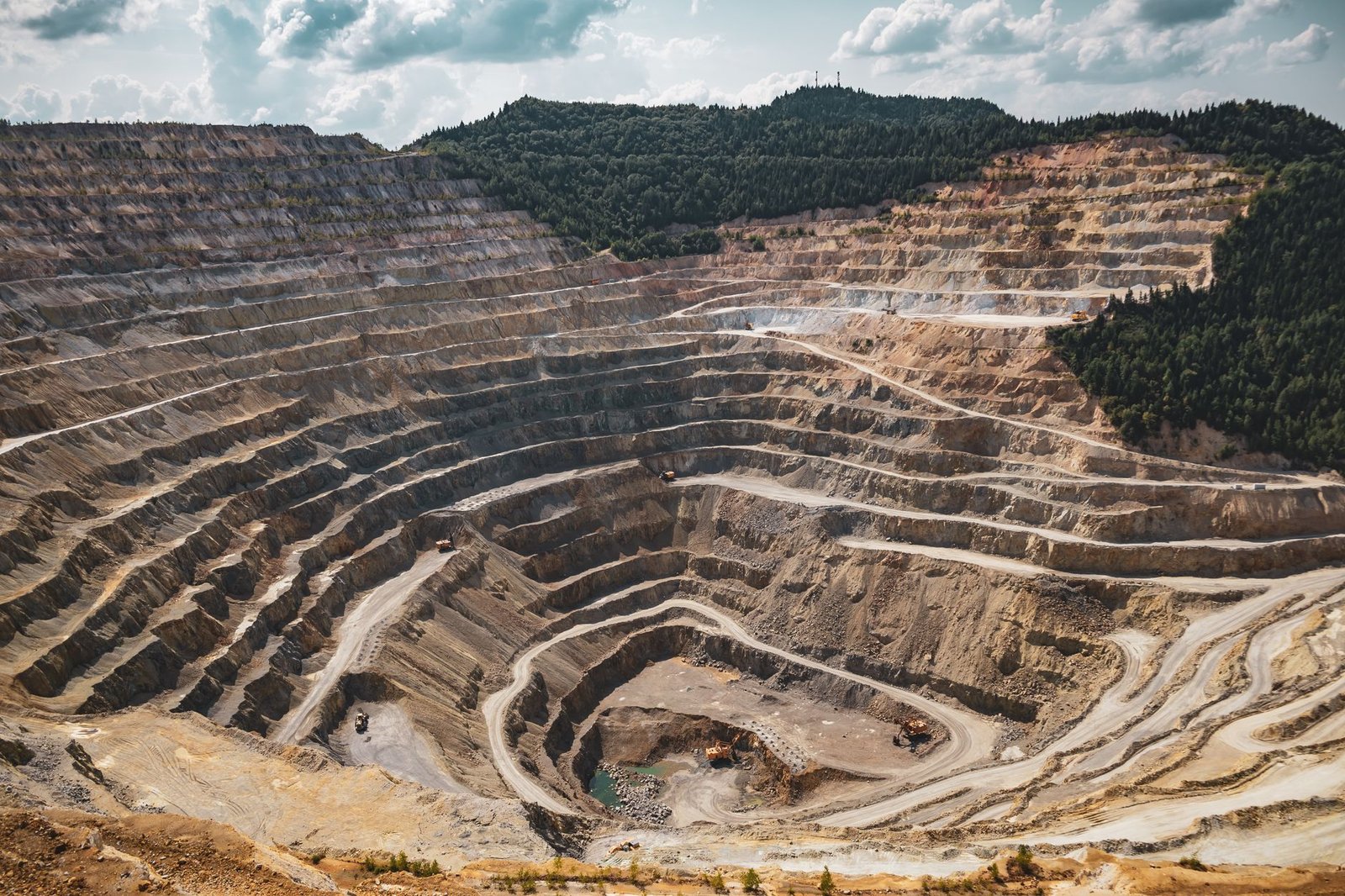


President Ferdinand Marcos Jr. recently announced a US$1.9-billion investment commitment from Canadian mining firms, describing it as a major opportunity to generate employment, stimulate local economies, and strengthen the Philippine mining industry. Among the projects is the planned extension of mining operations at the Didipio Gold-Copper Mine until 2037.
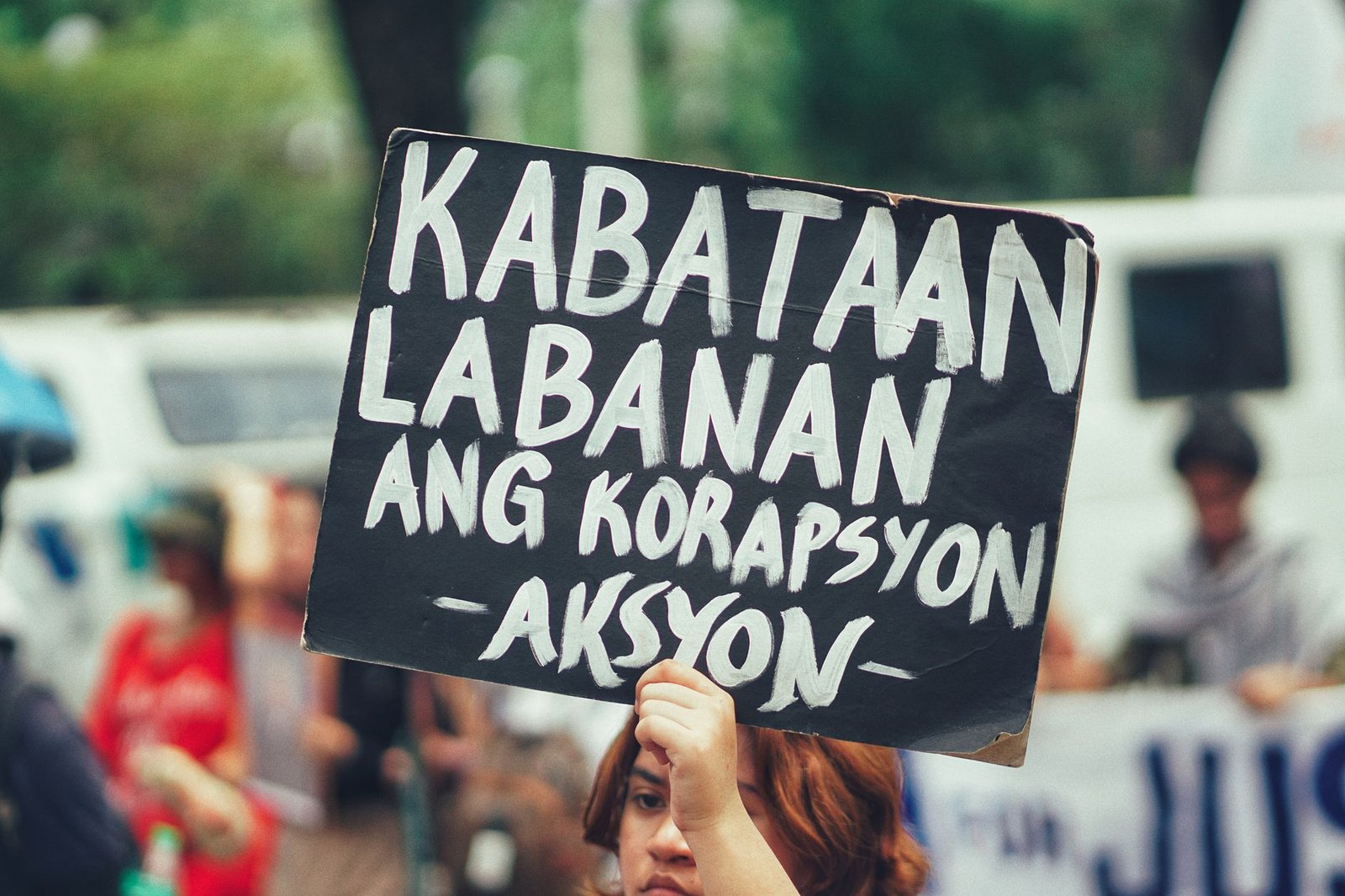
No one disputes that investments create jobs. Communities need employment, infrastructure, and economic opportunities. Mining can contribute to national development, especially when mineral resources are responsibly managed. However, history reminds us that economic growth should never be measured solely by the size of an investment. The greater question is this: Who bears the long-term cost?
The Philippines is one of the world’s richest countries in biodiversity. Our mountains serve as watersheds, our forests regulate the climate, and our rivers sustain agriculture and communities. Mining, particularly large-scale extraction, inevitably alters landscapes. Even under strict environmental regulations, mining operations involve land clearing, waste disposal, increased water consumption, and the risk of contamination from mine tailings. Once ecosystems are severely damaged, restoration is often difficult, expensive, and sometimes impossible.
Beyond the environment are the people who call these areas home. Indigenous communities, farmers, and rural families often depend on healthy forests, fertile soil, and clean rivers for their livelihood. When these resources are degraded, communities may lose not only their income but also their cultural heritage, food security, and way of life. Economic statistics may show national gains while local residents quietly shoulder the environmental burden.
As Christians, we must also evaluate development through the lens of Scripture. God entrusted humanity with dominion over creation—not as exploiters but as faithful stewards (Genesis 2:15). Biblical stewardship demands that we balance economic progress with justice, compassion, and responsibility toward future generations. Development that enriches the present while impoverishing tomorrow cannot truly be called sustainable.
This is not an argument against mining itself. Minerals are essential for modern society, including renewable energy technologies, medical equipment, and infrastructure. Rather, it is a call for wisdom, transparency, and accountability. Mining projects must undergo rigorous environmental review, ensure genuine consultation with affected communities, respect indigenous rights, and require companies to fulfill their obligations in rehabilitation and environmental protection.
The true wealth of the Philippines is not measured only by the minerals beneath our soil but also by the forests that purify our air, the rivers that nourish our farms, and the communities that have cared for these lands for generations. Once these treasures are lost, no billion-dollar investment can fully restore them.
Economic development and environmental stewardship should never be enemies. A nation that values both will leave not only a stronger economy but also a healthier land for its children. As we welcome investments, may we also ask the harder question: Will this decision leave the next generation richer—or merely poorer with more money spent today?
“The earth is the Lord’s, and everything in it, the world, and all who live in it.” — Psalm 24:1