
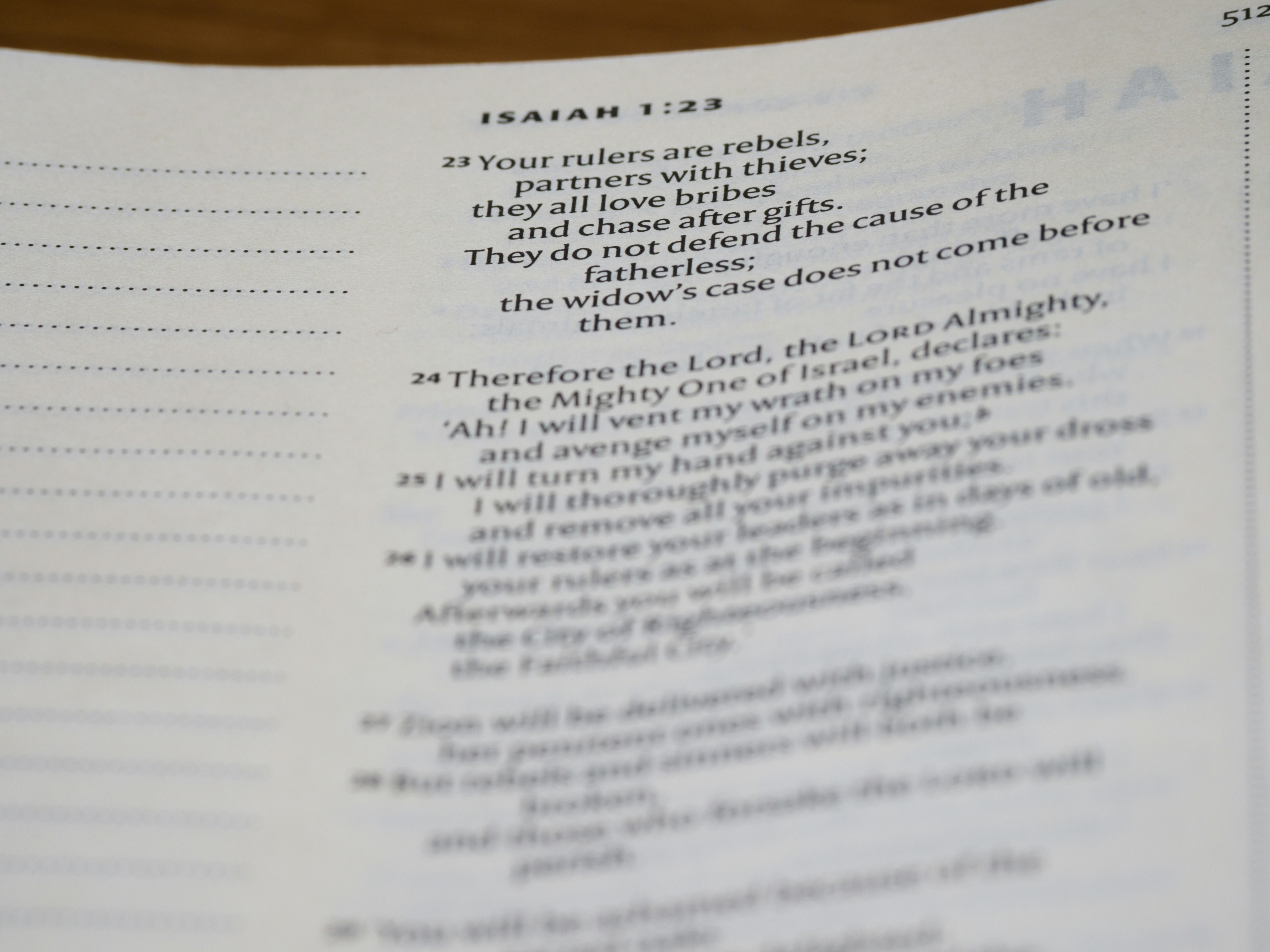



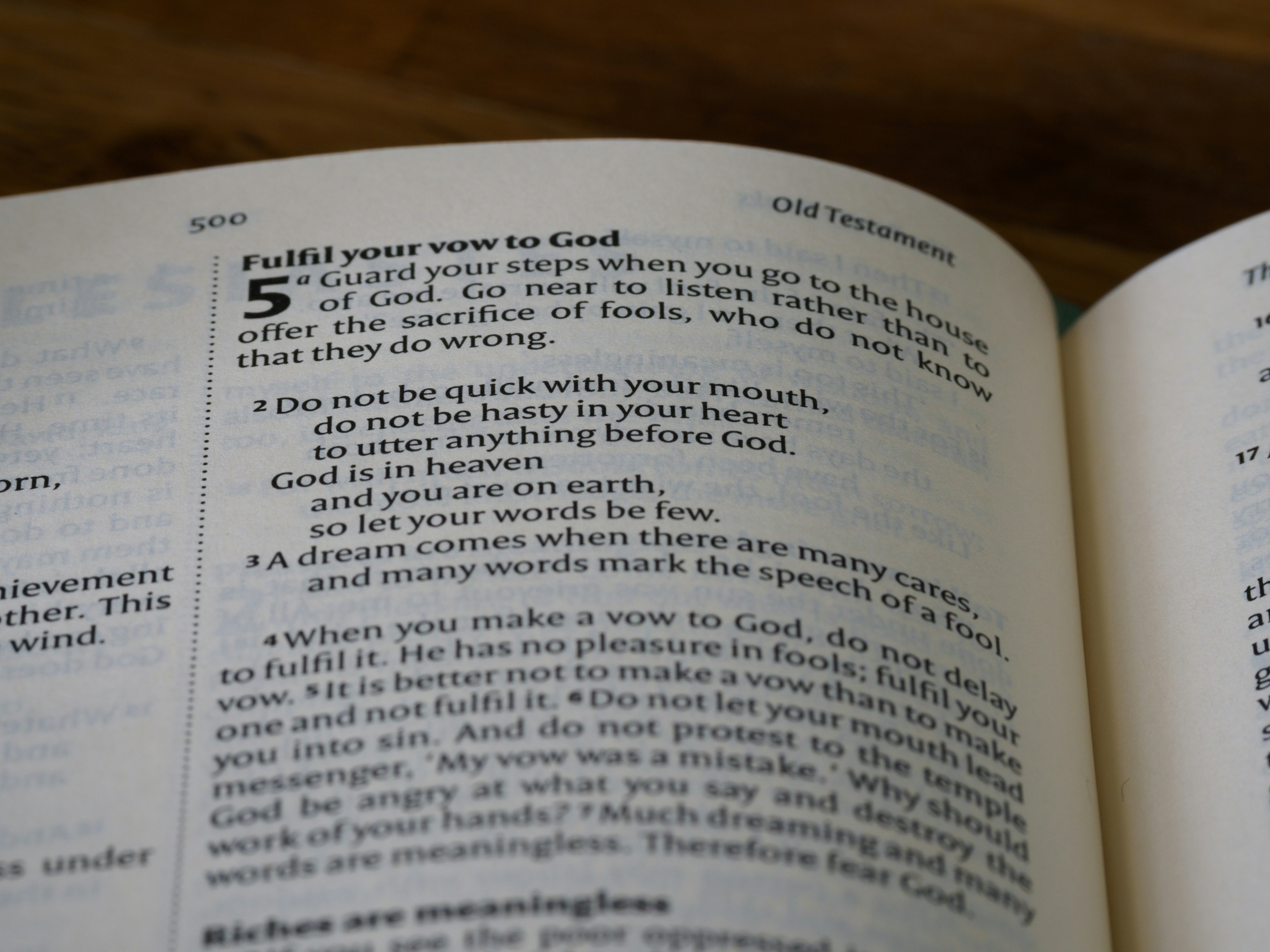
Introduction
Tithing has been a foundational practice among God’s people throughout Scripture. From the patriarchs to the Law of Moses and into the teachings of Jesus, giving a portion of one’s resources to God reflects worship, gratitude, and faithful stewardship. While Christians hold different views regarding the continuity of the Old Testament tithe under the New Covenant, many believe that tithing remains a biblical and practical expression of obedience and commitment to God’s work. The following seven reasons explain why many Christians consider tithing an important responsibility of every believer.
1. Tithing Is a Biblical Principle Established by God
Tithing did not originate as a human tradition but as God’s ordinance. The word tithe literally means “one-tenth.” Throughout the Old Testament, God commanded His people to dedicate the first tenth of their increase to Him as a holy offering (Leviticus 27:30). Even before the Mosaic Law, Abraham gave a tenth to Melchizedek (Genesis 14:20), and Jacob vowed to give God a tenth of all he received (Genesis 28:22). This demonstrates that tithing reflects a timeless principle of acknowledging God’s ownership over everything.
2. Tithing Is an Act of Worship
Giving the tithe is more than a financial transaction; it is an act of worship. When believers give the first portion of their income, they declare that God is their Provider and that He deserves first place in every area of life (Proverbs 3:9–10). Tithing expresses gratitude, reverence, and dependence upon God rather than trust in material wealth.
3. Tithing Acknowledges God’s Ownership
Scripture teaches that everything belongs to God (Psalm 24:1). Christians are not owners but stewards of God’s resources. Returning the tithe is an acknowledgment that our income, possessions, and abilities ultimately come from Him. Tithing reminds believers that they are managing God’s blessings rather than possessing them independently.
4. Tithing Supports God’s Work and His Church
In the Old Testament, tithes sustained the Levites, the temple ministry, and the care of the poor (Numbers 18:21; Deuteronomy 14:28–29). Today, faithful giving enables the church to fulfill its mission by supporting pastors, ministries, evangelism, discipleship, missions, and compassion ministries. Through tithing, believers become active partners in advancing God’s Kingdom.
5. Tithing Develops Faithful Financial Stewardship
Tithing teaches Christians to place God first in their finances. It cultivates discipline, contentment, and wise management of resources. Rather than spending first and giving what remains, biblical stewardship begins by honoring God with the firstfruits (Proverbs 3:9). This practice trains believers to trust God’s provision while avoiding the temptation of greed and materialism.
6. Tithing Demonstrates Trust in God’s Promises
One of the clearest biblical promises regarding tithing is found in Malachi 3:10, where God invites His people to test His faithfulness by bringing the whole tithe into His storehouse. While Christians should never give merely to receive material blessings, Scripture consistently teaches that God honors faithful obedience and provides for those who trust Him (Philippians 4:19). Tithing becomes a practical expression of faith in God’s provision.
7. Jesus Affirmed the Practice of Tithing While Emphasizing the Heart
Although the New Testament emphasizes cheerful and generous giving (2 Corinthians 9:6–8), Jesus did not abolish tithing. In Matthew 23:23, He rebuked the Pharisees for neglecting justice, mercy, and faithfulness while saying, “These you ought to have done, without neglecting the others.” Christ affirmed that tithing should continue but must be accompanied by genuine righteousness and love. Therefore, Christian giving is not merely about meeting a percentage but about wholehearted obedience flowing from a transformed heart.
Conclusion
Tithing is more than a financial obligation; it is a spiritual discipline that recognizes God’s ownership, expresses worship, strengthens stewardship, supports the ministry of the church, and demonstrates trust in God’s faithfulness. While Christians differ on whether the Mosaic tithe remains legally binding under the New Covenant, the biblical pattern consistently calls believers to honor God sacrificially, generously, and joyfully with the resources He has entrusted to them. A faithful Christian should never ask, “How little can I give?” but rather, “How can I best honor God with everything He has given me?”