



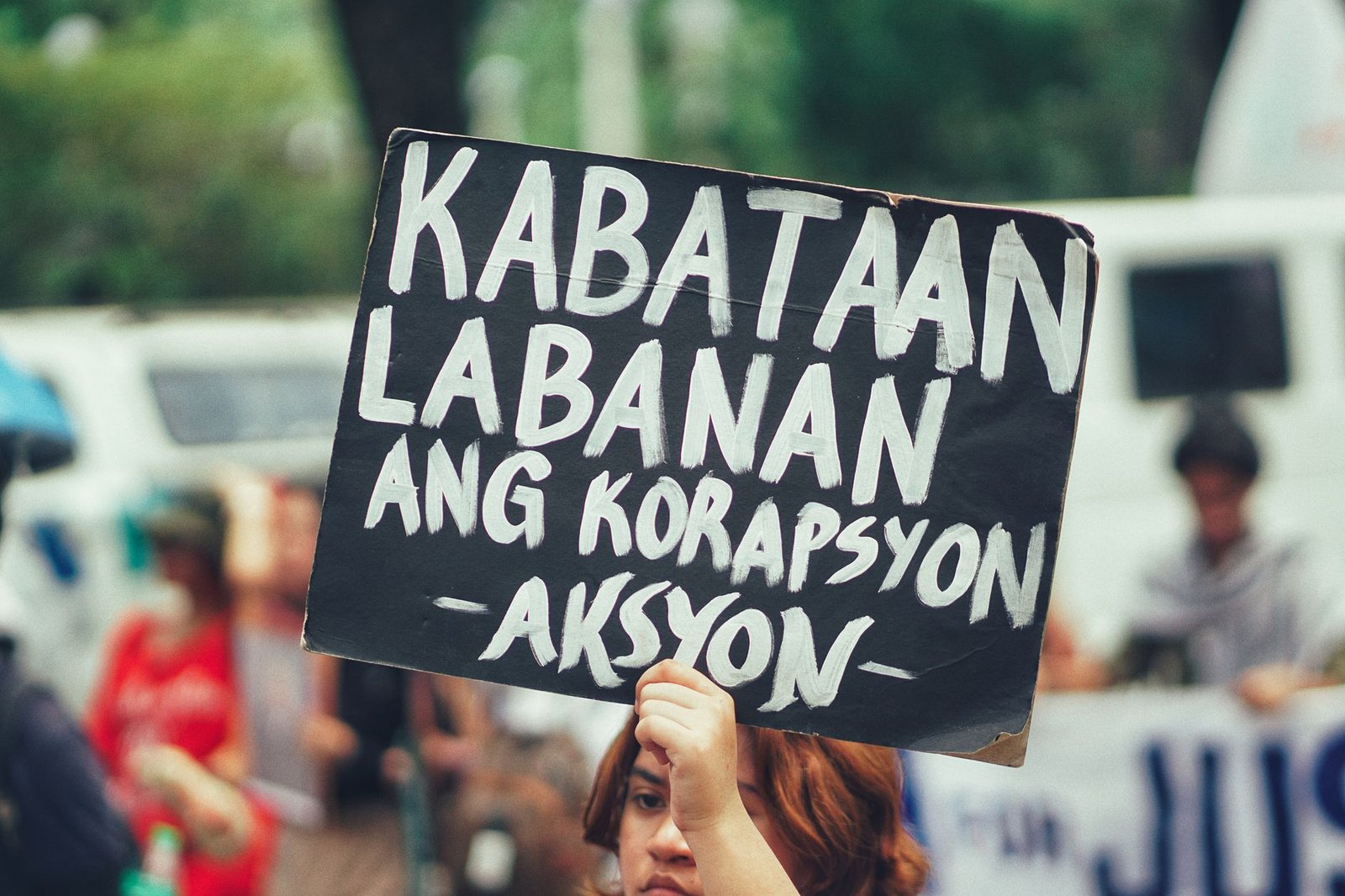
Understanding Corruption in the Philippines
The Philippines has long grappled with the pervasive challenge of corruption, which permeates both the government and private sectors. Studies reveal that corruption not only undermines democratic institutions but significantly hinders economic development and contributes to social inequality. According to Transparency International’s Corruption Perceptions Index, the Philippines consistently ranks poorly, reflecting widespread public discontent.
One prevalent form of corruption in governmental operations relates to procurement processes. Instances where officials accept bribes to award contracts have been documented extensively, resulting in inflated project costs and substandard public infrastructure. For example, the controversial “PharmaCorp” issue highlighted issues in the procurement of medical supplies during the COVID-19 pandemic, drawing national outrage and increasing distrust in public officials.
In the private sector, corrupt practices such as bribery and kickbacks are equally concerning. Businesses often resort to unethical means to secure contracts or gain favorable terms, which stifles competition and innovation. This corruption leads to a negative business environment, where ethical companies struggle to compete against unscrupulous entities.
The historical context of corruption in the Philippines reveals a persistent pattern that dates back to the colonial periods, where graft and patronage were common. Successive administrations have promised reform, yet the entrenched culture of corruption seems resilient, often creating a cyclical pattern of political patronage. Consequently, the erosion of public trust is evident, resulting in skepticism towards reforms and initiatives aimed at combating these practices.
The continued prevalence of corruption significantly impacts societal structures, fostering inequality and reducing public services’ quality. It is crucial for the Philippines to address these corrupt practices comprehensively. Only through ethical leadership and community engagement can the nation hope to rebuild trust and promote genuine economic growth.
The Role of the Church in Addressing Corruption
The Church has long been recognized as a pivotal institution in society, operating as a moral compass and an advocate for justice. Throughout history, religious organizations have stood against corruption, seeking to promote ethical leadership and integrity within governance. In the Philippines, where corruption has permeated various levels of society, the Church plays a critical role in addressing this issue by influencing public perception and advocating for systemic change.
One of the Church’s primary obligations is to uphold the principles of social justice, which includes confronting corruption. Key figures within the Church have made significant strides in this arena. For example, during the Marcos dictatorship, many clergy members took bold stances to denounce not only the dictatorship itself but also the pervasive corruption that flourished under his regime. Their involvement in movements like the People Power Revolution exemplified the Church’s commitment to advocating for the oppressed and demanding accountability from leaders.
Moreover, various ecclesiastical organizations have initiated programs aimed at raising awareness about corruption and its devastating impacts on society. These initiatives often involve educational campaigns, community engagement, and the promotion of transparent governance. However, the Church does not operate without its shortcomings. Criticism often arises regarding its hesitance to address issues within its ranks, leading to questions about its credibility as a moral authority.
Despite these challenges, the Church continues to function as an influential entity in combatting corruption. Its ability to mobilize individuals and communities offers a significant opportunity for change. By providing a platform for dialogue and moral reflection, it encourages both believers and non-believers alike to actively engage in addressing corrupt practices. As such, the Church has an ethical imperative to maintain its stance against corruption and continue fostering a culture of accountability and integrity in the Philippines.
Strategies for the Church to Combat Corruption
To effectively address the issue of corruption, the Church in the Philippines can implement a variety of strategies that foster ethical leadership and accountability. One significant approach is to increase community engagement. By actively involving parishioners and local residents in discussions and initiatives related to governance, the Church can create a platform where citizens feel empowered to voice their concerns and hold public officials accountable. Such community involvement can also facilitate the identification of corruption in local governance, thus enabling collaborative efforts to eradicate such practices.
Another crucial strategy involves advocating for transparency in governance. The Church can leverage its influential position to call for policies and practices that promote openness in government operations. This can entail conducting public forums that educate the community about their rights and the importance of transparent processes in governance. Collaborating with local government units to promote public access to information regarding government spending and project implementation can further encourage accountability and discourage corrupt activities.
In addition to advocacy efforts, the establishment of educational programs focused on ethics and integrity is paramount. Such programs can target various demographics, including youth and adults, emphasizing the moral responsibility of community members to act with integrity in all facets of life. By providing a foundation of ethical principles and encouraging discussions about morality and social justice, the Church can play a pivotal role in cultivating a culture of integrity.
Moreover, potential partnerships between the Church and various organizations, including non-governmental organizations, international bodies, and local government units, can enhance the effectiveness of anti-corruption initiatives. Collaborating with NGOs that specialize in governance and transparency can lead to the sharing of best practices and resources. Ultimately, by adopting these strategies, the Church can significantly contribute to the fight against corruption, fostering a renewed sense of trust and accountability within communities.
Building a Culture of Integrity: The Church’s Path Forward
In today’s world, the need for integrity within institutions, particularly the Church, has never been more critical. Building a culture of integrity is crucial to fostering an environment that actively resists corruption. The Church can take several proactive steps to promote values such as honesty, accountability, and a strong commitment to community service.
To begin with, Church leaders must lead by example, embodying the principles they preach. Transparency in church operations, financial dealings, and decision-making processes will significantly enhance trust within congregations. By implementing regular audits and holding open forums, leaders can demonstrate their accountability and commitment to ethical governance. This transparency not only strengthens the moral fabric of the Church but also invites congregants to engage actively, knowing that their voices matter.
Moreover, the Church should nurture a sense of civic responsibility among its members. Encouraging participation in community service, advocacy for social justice, and engagement in local governance helps congregants understand the interconnectedness of faith and action. By equipping members with knowledge about their rights and responsibilities, the Church can empower its congregants to confront corruption directly, reinforcing the commitment to ethical stewardship.
Strengthening moral foundations is another essential aspect of this cultural shift. The Church must prioritize education on ethical principles and faith-based teachings that emphasize integrity. Workshops, discussions, and youth programs focused on these themes can instill a deep-rooted sense of responsibility and spiritual commitment among congregants.
As we move forward, the Church’s role in championing reform efforts is vital. This is a call to action for both leaders and congregants to unite in promoting integrity, ensuring that the Church becomes a model of ethical leadership in the Philippines. By embracing these values, the Church can significantly contribute to a reduction in corruption and a brighter future for society as a whole.